
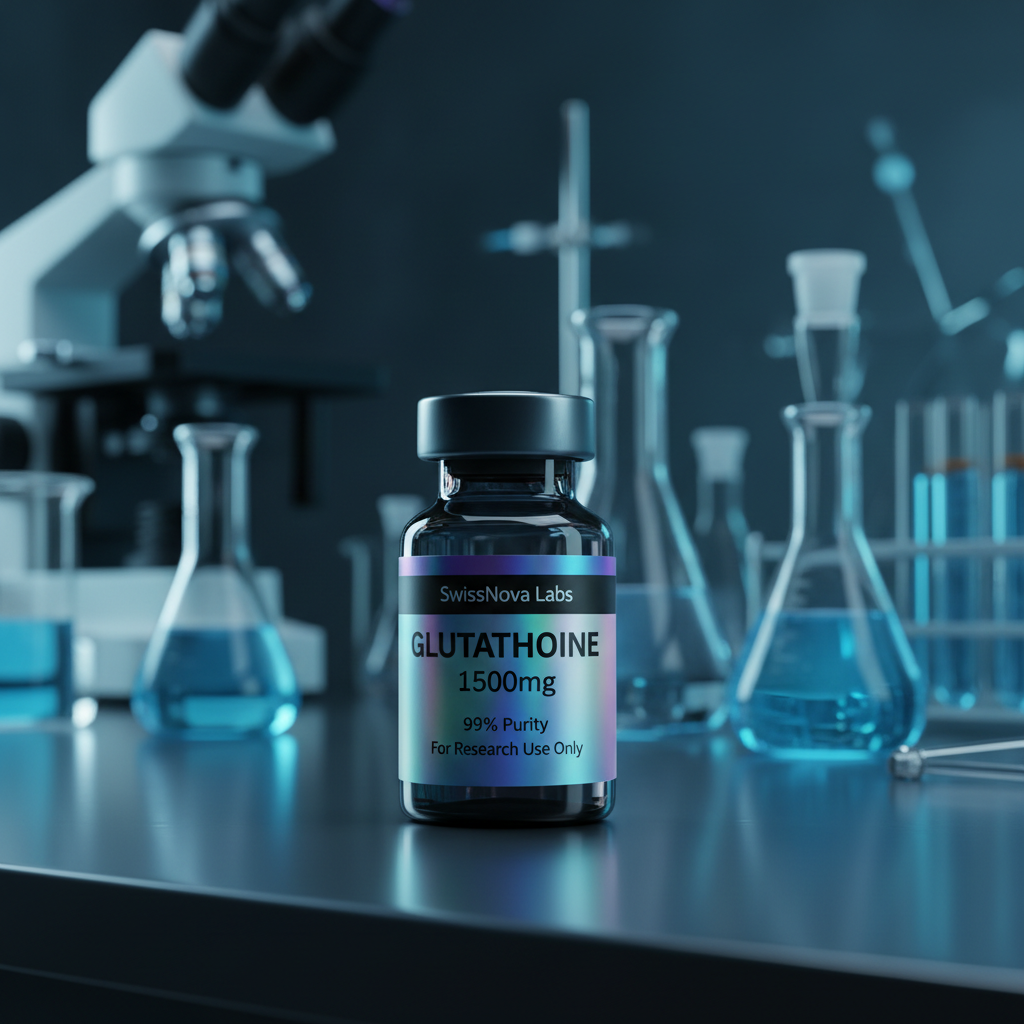
IGF-1 LR3
Long-acting IGF-1 analog for muscle growth and cellular repair.
30 mcg/day
Key Benefits
activates mTOR pathway for accelerated muscle growth
20–30 hour activity window vs. minutes for native IGF-1
promotes muscle stem cell proliferation and repair
enhances cellular nutrient partitioning
Recommended Injection Sites
Optimal injection locations for IGF-1 LR3 based on its route (Subcutaneous or intramuscular injection) and pharmacokinetic profile.
Tap a glowing zone on the body map to highlight the matching site card — or tap a card to activate the zone.
Tap a zone to inject
Consistent SubQ absorption.
Good alternative site.
Rotate sites to prevent lipodystrophy.
- IV administration
Active Signaling Pathway
Recommended Stacks
IGF-1 LR3 is a key compound in these curated research stacks. Pair it with synergistic peptides for enhanced outcomes.
GH Pulse Amplifier
The gold-standard two-signal GH stack — GHRH + GHRP for maximum physiological GH output.
How long will one vial last?
Based on standard research protocols, here's exactly what to expect from a single 1mg vial — and when to plan your next order.
Actual duration may vary based on your specific protocol. Always consult your research guidelines for precise dosing schedules.
Scientific Background
Mechanism of Action
IGF-1 LR3 binds IGF-1 receptors with high affinity and activates the PI3K/Akt/mTOR and MAPK/ERK pathways, driving protein synthesis, cellular proliferation, and glucose uptake. Its resistance to IGFBP binding gives it ~60–120× longer half-life than native IGF-1.
Clinical Context
IGF-1 LR3 is widely used in research settings to study anabolic signaling. Its extended activity window makes it particularly useful for studying sustained IGF-1 receptor activation.
Research Highlights
- Half-life of 20–30 hours vs. ~12 minutes for native IGF-1
- Demonstrated significant increases in lean muscle mass in rodent models
- Activates satellite cell proliferation — key mechanism for muscle hypertrophy
- Used extensively in cell culture research as a potent mitogen
Storage & Reconstitution
Store at -20°C. Reconstitute with 1 mL bacteriostatic water → 1 mg/mL (1000 mcg/mL). On a 100-unit insulin syringe, 1 unit = 10 mcg. Stable 3 weeks at 2–8°C.
Typical research cycle: 4–6 weeks. Reconstitute with bacteriostatic water.